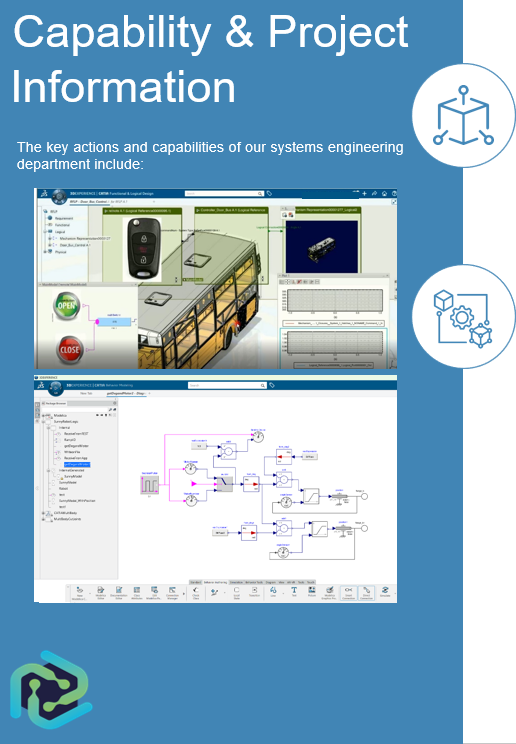
Given the rapid technological advancements and the growing complexity of products across industries, integrating multiple engineering disciplines has become essential to achieve optimal outcomes through cohesive, systems-level design.
Leveraging advanced Model-Based Systems Engineering (MBSE) tools within the 3DEXPERIENCE platform, including Dymola, we perform highly integrated multidisciplinary dynamic simulations for complex products. This capability is particularly valuable in the transportation sector. Owing to the intricate nature of our projects, the creation of high-fidelity Digital Twins and the integrated management of engineering changes throughout the product lifecycle stand among the key achievements delivered by the systems engineering modules of the 3DEXPERIENCE platform.
By fully applying Systems Engineering principles based on the INCOSE V-Model across the project development process, we ensure precise requirements traceability and complete verification and validation throughout all stages of the product development lifecycle. Requirements management commences with the definition of functional architecture and logical product structure and extends through detailed design, physical testing, and component realization across multiple domains, including mechanical, thermodynamic, electrical, and electronic systems.
Through the PLM platform, we integrate dynamic system simulation with virtual product prototyping, enabling realistic evaluation of product behavior under actual operational conditions.
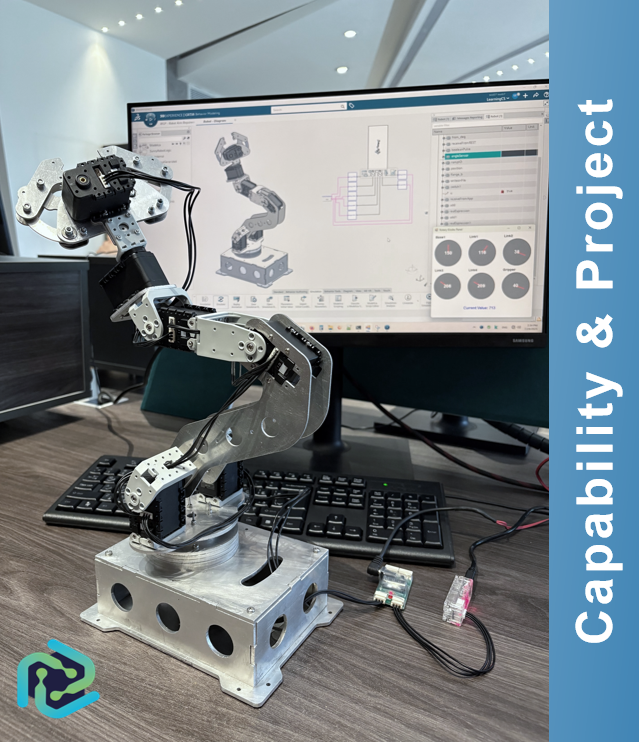
Capability & Project Information
The Systems Engineering Department’s scope of work is structured around three core areas: Requirements Management, Functional Architecture, and Logical Design. These are seamlessly integrated with downstream processes, including detailed design and advanced analysis through co-simulation (Co-Simulation).
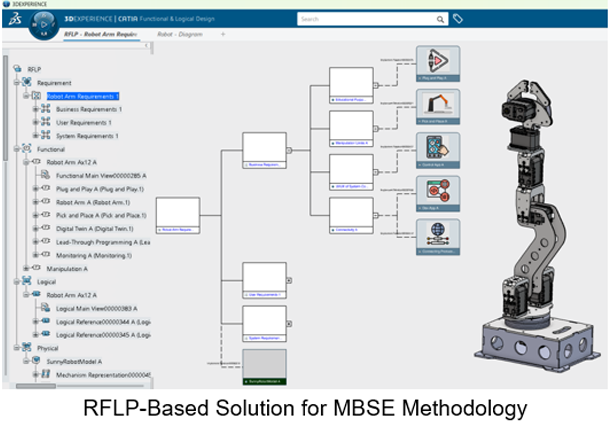
The key actions and capabilities of our Systems Engineering implementation services include:
1. Execution of critical activities in key stages of the product development process based on MBSE concepts, including:
2. Design of logical and functional systems and execution of numerical, kinematic, and dynamic simulations, including: